Prince Edward County, Ontario, Canada
It’s November! What Birds Can We Expect This Month?
This month overall is one in which many birders lose interest. The bulk of the migration is over and for bird listers, it is too early to be thinking of starting a winter bird list – an exercise that officially commences on December 1st.
However, November can produce some interesting stuff. In many ways November is like March. Some of the earliest birds to arrive in the spring, are also the latest to depart in the fall. The reason for this similarity is that both months furnish birds with essentially the same kind of food. Therefore, the loons, grebes, ducks, geese and kingfisher that arrive early in the year once the local waters are free of ice, will also remain into November until ice formation deprives them of food, sending them on their way to more profitable feeding areas. We may see AMERICAN WOODCOCK and COMMON SNIPE too hanging around until heavy frost prevents them from probing the earth.
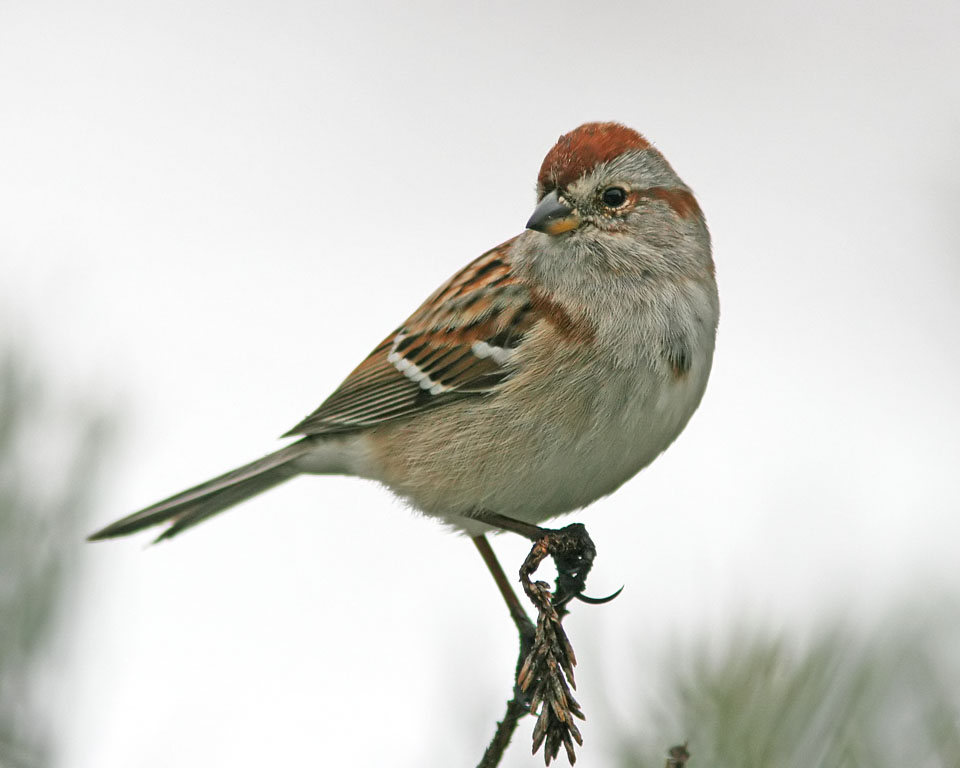
Likewise, many species of sparrows will remain until weeds are stripped bare of their seeds, or winter snows begin to cover them up. Few birds will be heard singing, although some may make weak attempts at exercising their vocal abilities if the weather is sunny and warm. The denizens of winter bird feeders, the AMERICAN TREE SPARROWS, started showing up in ones and twos during the last week of October, and will be building in numbers at our feeders as the days go on. They will take the place of those sparrow species that head farther south.
The YELLOW-RUMPED WARBLERS (still Myrtle Warblers to many of us) also hang around until quite late, flitting around windowsills and low shrubs after spiders and the few remaining insects lured out by sunshiny days. Unlike most warblers that retreat to southern climes due to their insectivorous diet, YELLOW-RUMPED WARBLERS will alter their diet to include seeds and fruits. Hence, we may see small numbers of them seeking shelter in fields of red cedar where they will search for the fruiting berries of these trees. Some vagrant warbler species, amazingly, have been known to linger into November, similar to the YELLOW-RUMPED WARBLER that manages to change its diet to allow it to survive.
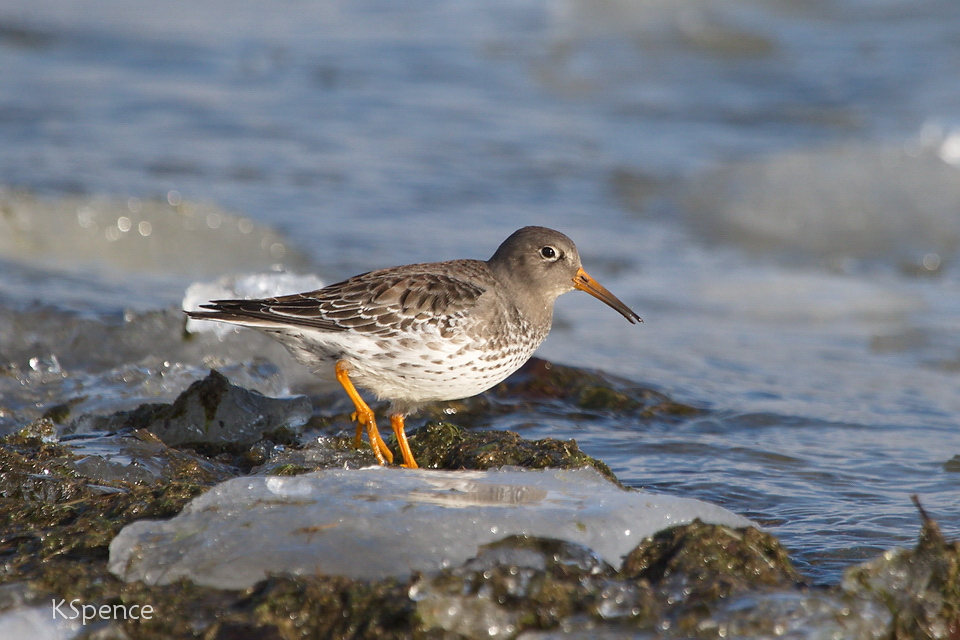
For the most part, all shorebirds will have departed from our beaches and mud flats where these birds fed over last month. One exception is the PURPLE SANDPIPER which is traditionally looked for when November rains and flurries are falling. Unlike other shorebirds that prefer sandy and muddy locations, PURPLE SANDPIPERS prefer rocky shorelines. Areas such as West Point, Point Petre and Prince Edward Point are monitored each November for the arrival of these birds. Places like Presqu’ile Park may still produce lingering DUNLINS, SANDERLINGS, PECTORAL SANDPIPERS, both BLACK-BELLIED and AMERICAN GOLDEN-PLOVERS and, of course, lingering KILLDEER.
Wintering ducks such as COMMON GOLDENEYE, BUFFLEHEAD, LONG-TAILED DUCKS (Oldsquaw), RING-NECKED DUCKS and both GREATER and LESSER SCAUPS will continue to build up in numbers. Birders will often find good numbers of these and others at some of the more traditionally productive observation points such as West Point, Prince Edward Point, Point Pere, Salmon Point, South Bay, Smith’s Bay and Prince Edward Point.
A look at the cone and seed crop across Ontario this past summer has offered a glimpse into what may be occurring in the Bay of Quinte area this winter. Well known birder and biologist, Tyler Hoar, took over the annual Finch Report from the late Ron Pittaway several years ago. The annual Report is based on his research of the seed crops developing on trees and shrubs in the area. Some very interesting stuff there, and we hope it provides readers with a little insight as to what may be around at our feeders, and in the field this coming winter.
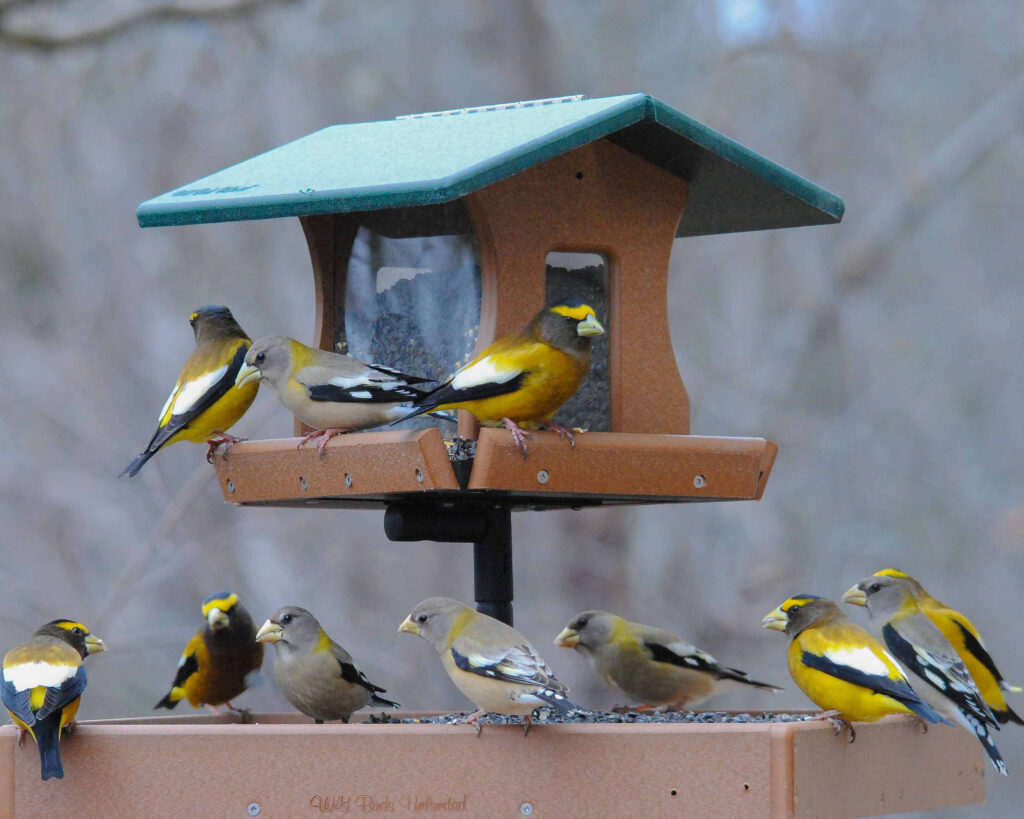
Our go-to person for this prediction, Tyler Hoar, says, “The budworm outbreak in the eastern boreal has now persisted in many areas for a decade or more, and for this budworm-loving finch, that has meant a local increase. Parents have been quite successful raising families on this abundant food source. Food sources used post-budworm, like cherry species, are not good this year, but the mountain-ash crop is, and we expect this will hold up some of the Evening Grosbeaks and Purple Finches.” EVENING GROSBEAKS are showing signs of making a comeback to winter feeders, reminiscent of the days back in the 1970s when hundreds would descend upon feeders in the Quinte area, and munch away on large striped sunflower seeds all day long. The only difference today is that most feeder operators now offer black oil sunflower seed in their feeders. It is doubtful though if the grosbeaks will turn up their beaks at it.
In very poor crop areas in the eastern boreal, significant food source species such as White Spruce, Tamarack and White Birch have a total absence of any new crop over large areas. The almost regularly dependent food sources, like Black Spruce and alders, are below average within these same areas. A very early movement of a small but widespread flight of Redpolls in eastern Canada is pointing to a possible poor seed crop in Northern Quebec and Labrador.
What about others this winter? For BLUE JAYS (they love acorns on oaks), it was an average flight along the north shorelines of Lakes Ontario and Erie. The beechnut and acorn crop is widespread, ranging from poor to average in volume. Areas around central Ontario and the Laurentian mountains of southwestern Quebec reported above-average crops.
Migrant BLUE JAYS dominate at my feeders, and it is not unusual to have flocks peaking at 30+ daily. With poor cone crops in the eastern boreal forest, expect this species to continue to move southward. At feeders, this species prefers black oil seeds, suet, and peanuts.
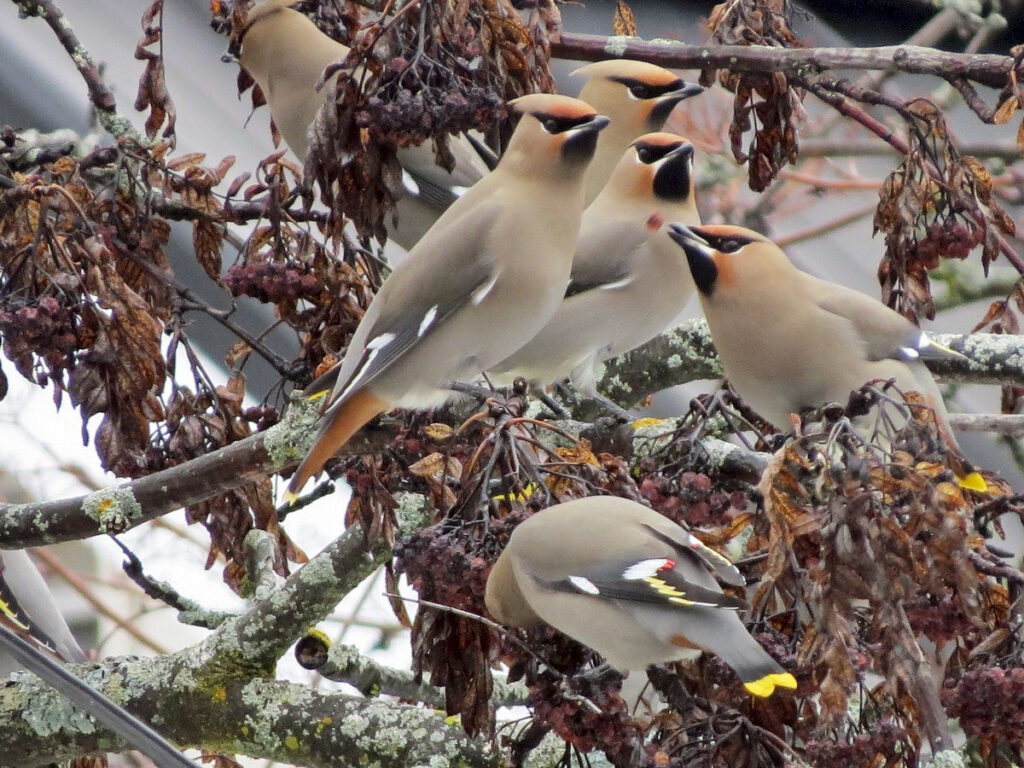
BOHEMIAN WAXWINGS: There appears to be a pretty fairly robust American mountain-ash fruit crop across large areas of the boreal forest that will hold birds to the north. Sure, there will be birds in traditional areas of southeastern Canada and the eastern border states, but don’t expect much of a flight south of those areas this year.
Significant winter storms and freezing rain events may be needed to nudge some species out of the boreal forest this winter. It will be wise to keep an ample supply of black oil sunflower seed in stock should circumstances guide these delightful finch species to our neck of the woods. They will arrive very hungry and ready to gorge on whatever we offer at our feeders.
For a summary of Tyler’s Winter Finch Forecast, CLICK HERE.